Renacimiento Románico
Creativo
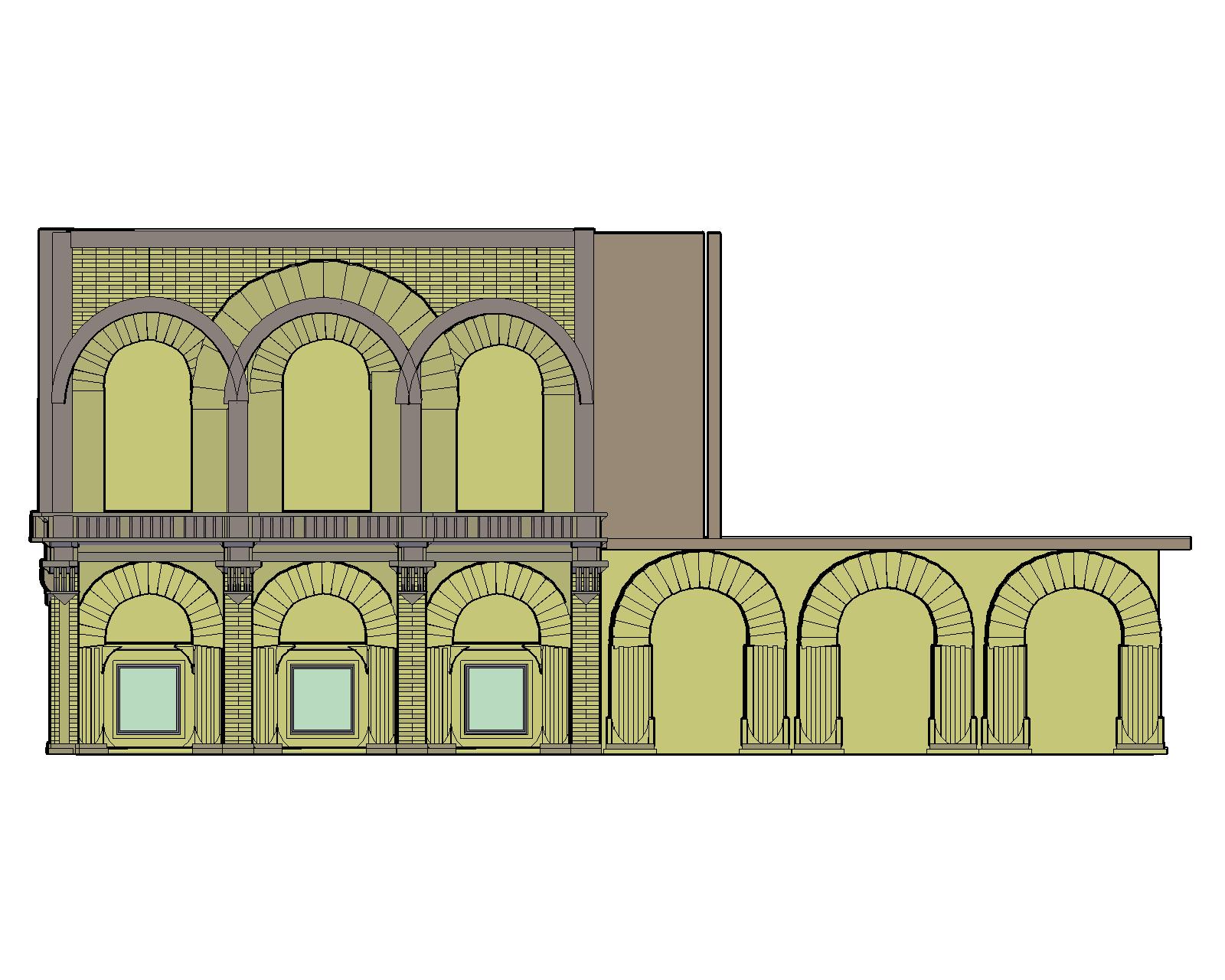
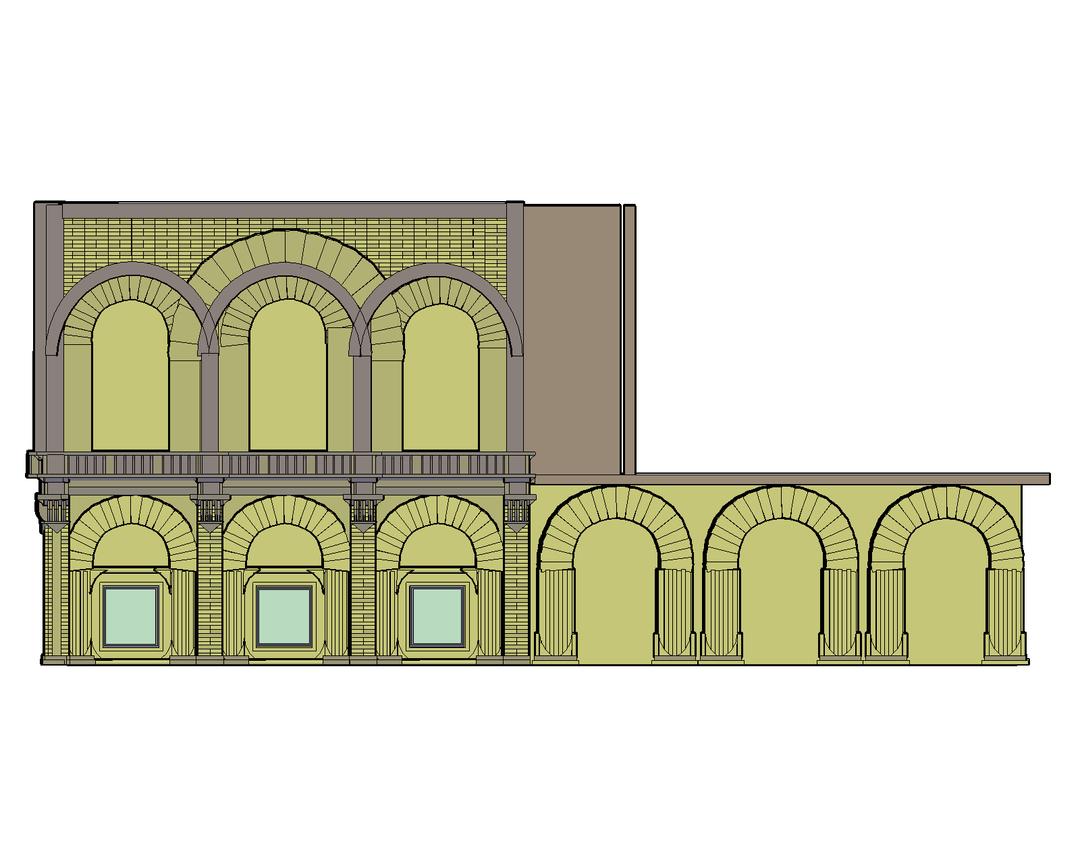

An incredibly lifelike, richly detailed, photorealistic architectural photo of a grand library set in a bustling, European-inspired city square. The scene is illuminated by a warm, late afternoon sun, casting long shadows and creating a majestic, somewhat solemn atmosphere. Captured with a wide-angle lens, emphasizing the imposing scale and the intricate textures of aged stone and wrought iron. This library is a breathtaking example of Romanesque Revival architecture, a monumental edifice that speaks of both scholarly pursuit and enduring strength. Its primary structure is a robust, rectilinear block, constructed from massive, rusticated blocks of warm, honey-colored sandstone. The sheer weight and solidity of these foundational stones suggest centuries of history, grounding the building firmly in its urban context. The facade is characterized by a rhythmic repetition of deeply recessed, semi-circular arched windows, a hallmark of the Romanesque style. These arches are often framed by richly carved voussoirs depicting stylized foliage or geometric patterns, adding a layer of intricate detail to the otherwise austere stonework. The windows themselves are likely glazed with thick, leaded glass, diffusing the sunlight into the interior and creating a serene, contemplative ambiance. A prominent central projecting section breaks the planar regularity of the main block, housing the main entrance. This entrance is a magnificent portal, a triple-arched gateway that draws the eye inward. The central arch is the largest and most commanding, flanked by two smaller, but still substantial, arches. These portals are adorned with deeply carved tympanums, perhaps depicting scenes of knowledge, enlightenment, or civic pride. Heavy, dark oak doors, reinforced with ornate wrought iron hardware, stand as portals to the treasures within. Above the entrance portal, a large, circular rose window, its tracery radiating outwards like an opening bloom, offers a captivating focal point against the solid stone. The upper stories of the library feature narrower, paired arched windows, lending a sense of verticality without compromising the overall impression of massiveness. A simplified, but sturdy, cornice runs along the top of the building, subtly defining its silhouette against the sky. The roof, likely clad in dark slate or terracotta tiles, is pitched and punctuated by occasional dormer windows and perhaps a sturdy, octagonal cupola rising from the center, hinting at the expansive reading rooms or special collections housed within. The scale of the building is imposing, designed to dwarf the individual and inspire awe, yet the human scale is considered in the details of the arched windows and the inviting portals. The surrounding urban context, hinted at by the cobblestone paving of the square and perhaps the muted hues of neighboring buildings, is designed to complement, not compete with, the library's grandeur. A few mature trees with spreading canopies might offer pockets of shade in the square, softening the architectural severity. Internally, one imagines vast reading rooms with soaring, vaulted ceilings supported by thick, rounded arches and robust columns. Natural light would filter through the large windows, illuminating long, polished oak tables and the endless rows of books. The spatial relationships would guide visitors from the grand entrance hall through a series of interconnected, yet distinct, reading and study areas, each designed to foster concentration and intellectual exploration. The sheer volume of space, combined with the tactile richness of stone, wood, and iron, would create an atmosphere of quiet reverence and intellectual dynamism.